Last updated:
Logo design is the strategic process of creating a company’s primary visual mark — the single most-repeated signal of a brand — as a scalable system that works across every context, from a favicon to a billboard. A logo is not the brand itself; it is the most frequently seen element of it, and its only real job is instant recognition. In 2026, professional logo design ranges from roughly $300 for an entry freelancer to $10,000+ for an agency-led identity system, with most growing businesses landing between $1,500 and $5,000. This guide covers what a logo actually is, what separates a strong one from a forgettable one, the types available, the professional process, real 2026 costs, and how to judge the result. It is the pillar of our logo series; each section links to a deeper guide.
What a logo actually is (and what it is not)
A logo is not your brand. It is the most repeated signal of your brand — the mark that appears more often, in more places, than any other single element you own. That distinction changes what a logo is for.
A logo’s job is not to explain your company. It is to be recognized as your company, instantly, at a glance, in any context — an app icon three millimetres wide, a billboard, an embroidered polo, a monochrome invoice. Recognition is the entire function. Everything people believe a logo should do — describe the product, tell the story, list the values — is the job of the wider brand system, not the mark.
This is why a logo and a brand identity are different things, and confusing them is the most expensive mistake founders make. A logo is one component. A brand identity is the complete system the logo lives inside — colour, typography, imagery, tone, and the rules that keep them coherent. We cover this in depth in Brand Identity vs Logo, but the short version: buying a logo without a system is buying a door without a house.
Why logo design matters: the commercial case
The value of a strong logo is measurable, not aesthetic:
- Recognition compounds. A consistent signature colour alone can increase brand recognition by up to 80% (Loyola University research), and consumers are far more likely to recall a brand’s colour than its name.
- Impressions have a threshold. It takes roughly 5–7 impressions before a consumer begins to remember a brand. An inconsistent or replaced logo resets that clock — you start earning recognition from zero.
- Consistency drives revenue. Studies on brand consistency place the revenue uplift from consistent presentation in the range of 10–33%. The logo is the anchor of that consistency.
- First impressions are fast and visual. A large share of first brand impressions are visual, formed in seconds. The logo is usually the first visual a customer meets.
In short: a logo is a small object carrying a large commercial responsibility. Made well, it works quietly for years. Made carelessly, it becomes a tax you pay on every touchpoint until you replace it.
What separates a strong logo from a forgettable one
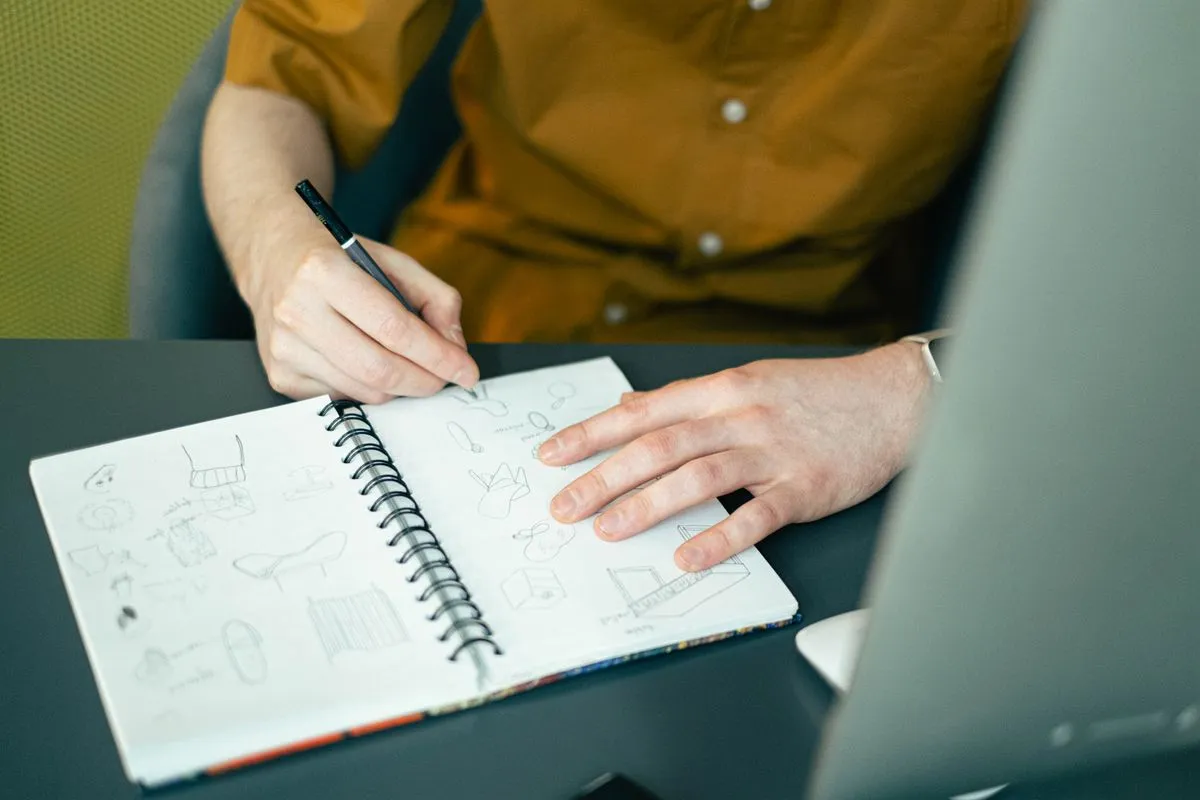
Anyone can generate a logo in 2026. That is precisely why most are forgettable — made to look acceptable, not to work. A logo that works shares a few qualities, none of them about looking pretty. It is simple enough to remember; it works everywhere, in one colour and at any size; it fits its market’s visual codes then deliberately breaks from them; and it carries an idea, not just a shape. We expand each of these in What Makes a Good Logo.
The types of logos, briefly
There is no single correct form. A wordmark sets the name in distinctive type; a lettermark reduces a long name to initials; a pictorial or abstract mark carries meaning in a symbol; a combination mark pairs symbol and name so either can stand alone as the brand grows. Choosing between them is a strategic decision, not an aesthetic one — a startup living mostly as an app icon has different needs from a law firm living mostly on letterhead. Full breakdown with trade-offs in Types of Logos.
What the professional process looks like
A good logo is a process, and the process is most of the value — it is the main thing separating a strategic logo design agency in India from a marketplace that just sells files. It begins before any design — understanding the company, market, and audience, and the space competitors have left unclaimed. Only then does design begin, as directions with rationale, not a wall of options to pick by taste. The strongest direction is refined, stress-tested at real sizes and contexts, and built into a complete system with every file a growing brand needs. What you should not expect is fifty concepts to choose from — volume is what you get when there is no strategy guiding the work. Each stage is detailed in The Logo Design Process.
What logo design costs in 2026
Pricing spans a wider range than almost any creative service, because “a logo” can mean anything from a free generated file to a five-figure identity system.
| Tier | Typical 2026 cost (USD) | What you get |
|---|---|---|
| AI generators / DIY | $0–$100 | A file. No strategy, no system, generic output. |
| Entry freelancer / contest | $100–$500 | 1–3 concepts, limited revisions, basic files. |
| Experienced freelancer | $500–$2,500 | Discovery, research, revisions, vector files, light guide. |
| Studio / small agency | $2,500–$10,000 | Strategy, full logo system, brand guidelines. |
| Full agency identity | $10,000+ | Research-led identity system for funded/established brands. |
Most growing businesses land between $1,500 and $5,000. The honest summary: the cheapest logo is rarely the least expensive one, once you count the rebrand it usually forces. Full breakdown, including hidden costs, in Logo Design Cost in 2026.
When to redesign a logo you already have
Not every dated logo needs replacing — redesigning too often erodes the recognition you’ve built. Redesign when the logo is failing (misrepresenting you, breaking where it matters, or lost in the crowd), keep it when it’s merely aging but still working. Decision framework in When to Redesign Your Logo.
How to judge the logo you’re given
Resist judging a logo the way you’d judge a picture you like or don’t. Ask better questions: Does it read at the size of an app icon? Does it hold up in one colour? Is it distinct from your three biggest competitors? Can the studio explain why this mark, for this company, in this market? A logo you can defend with reasons will serve you far longer than one you merely liked on the day.
Frequently asked questions
How much should a logo cost in 2026?
For a business you intend to grow, budget $1,500–$5,000 for an experienced freelancer or small studio — enough for strategy, a full logo system, and guidelines. Under $300 typically buys a template rework, not a custom mark.
How long does logo design take?
A freelance logo project usually takes one to three weeks; a full agency brand identity runs four to twelve weeks depending on scope.
What files should I receive?
At minimum: vector files (AI, SVG, EPS), high-resolution transparent PNGs, single-colour and reversed versions, and a short usage guide. See Logo File Formats.
Is an AI-generated logo good enough?
For testing an unproven idea, it can be. For a business you plan to grow, generated marks tend to look generic and get replaced — often forcing a costly rebrand later.
What’s the difference between a logo and a brand identity?
A logo is one component; a brand identity is the whole system it lives in — colour, type, imagery, tone. See Brand Identity vs Logo.
Where to go from here
If you’re weighing a new logo or wondering whether your current one is holding you back, that’s a conversation worth having properly. Talk to us about your logo → We take on a limited number of projects so each gets senior attention, and every engagement is led personally — you’ll always know who stands behind the work.
Explore the full logo series
Pillar: Logo Design: The Complete Guide for Founders (this page) · Logo Design Cost in 2026 · The Logo Design Process · Types of Logos · What Makes a Good Logo · Logo File Formats Explained · When to Redesign Your Logo
Cross-pillar: Brand Identity Design: The Complete System Guide · Brand Naming: The Complete Guide for Founders
Service page: Identity Makers Logo Design Services →