


Last updated:
What is brand identity? The simplest answer: brand identity is the engineered system of visual, verbal, and experiential assets a company uses to be recognised consistently across every customer touchpoint. The more useful answer to “what is brand identity” is that it’s a six-component framework, verbal identity, visual identity, motion identity, experiential identity, brand architecture, and guidelines with governance, not a single logo or colour palette. Understanding what is brand identity actually contains matters because the gap between treating it as one asset and treating it as a system is where most early-stage brands lose competitive ground.
Most founders meet brand identity for the first time as “the logo project”, and never fully grasp the gap between a logo (one component) and a brand identity (the entire system). That gap is where most early-stage brands lose competitive ground. A logo without the surrounding system fails to scale to packaging, web, motion, and customer experience. A complete identity system compounds across every touchpoint instead.
This guide covers each of the six components in detail, what’s inside it, why it matters, and what happens commercially when it’s missing. Written for founders who want to understand what they’re actually buying when they hire a brand identity agency.
The 6 Components at a Glance
Before going deep on each, here’s the full system:
- Verbal identity. Brand name, tagline, messaging hierarchy, voice, tone rules
- Visual identity. Logo system, color system, typography, imagery direction, layout principles
- Motion identity. How brand elements animate, transition, and behave on digital surfaces
- Experiential identity. How the brand expresses itself in packaging, product UI, retail, service
- Brand architecture. Relationships between parent brand, sub-brands, and product names
- Guidelines and governance. The documentation and processes that maintain consistency
A serious brand identity engagement delivers all six components. A budget engagement may deliver only the most visible ones (logo, color, typography). The components below explain what each delivers and what’s lost when one is missing.
Component 1. Verbal Identity
Verbal identity is the language layer of the brand, every word the brand uses, and how it uses them.
What’s inside verbal identity
- Brand name. The verbal anchor the company defends for decades
- Tagline. The short phrase that captures the brand’s commercial promise
- Messaging hierarchy. The order in which key brand messages are delivered
- Brand voice. The consistent personality of the brand’s writing (authoritative, playful, direct)
- Tone of voice rules. How that voice flexes across contexts (formal in legal copy, casual in social, urgent in product alerts)
- Vocabulary preferences. Words the brand uses and explicitly avoids
Why verbal identity precedes visual
Visual elements always carry verbal content. A logo includes a name. Packaging includes copy. Web pages include headlines. Designing visual elements before locking the verbal layer means redesigning the visuals when the words change.
What’s missing when verbal identity is weak
Internal team members write copy in different voices. Marketing materials sound like they came from different companies. Customer support emails feel disconnected from product copy. The brand has no consistent voice fingerprint that customers can recognise across channels.

Component 2. Visual Identity
Visual identity is the layer most founders picture when they hear “brand identity.” It contains five interconnected sub-systems, each of which is itself a system, not a single element.
Logo system
A complete logo system includes:
– Primary logo (the main mark used in standard contexts)
– Secondary logo (alternative lockup for tight spaces, horizontal vs vertical contexts)
– Icon-only version (for app icons, favicons, social profile pictures)
– Monogram (initials-only treatment)
– Wordmark variants (text-only versions)
Logos delivered as a single file are not systems. They’re assets that won’t scale.
Color system
A complete color system specifies:
– Primary palette (1–3 colors that define brand recognition)
– Secondary palette (3–6 colors for support and depth)
– Accent colors (used sparingly for emphasis)
– Neutral palette (whites, grays, blacks for backgrounds and text)
– Each color in all formats: CMYK (print), RGB (digital), HEX (web), Pantone (premium print)
Typography hierarchy
A complete typography system includes display typeface, headline typeface, body typeface, and monospace typeface for technical content, each with specified weights, sizes, line heights, and pairing rules.
Imagery direction
Most engagements skip this, which is why brands feel “off” even when their logo is strong. Imagery direction specifies photography style, illustration system, iconography style, and what’s explicitly out of bounds.
Layout principles
Grid systems, spacing scales, composition rules. The underlying skeleton that makes every brand application feel like it belongs to the same brand.

Component 3. Motion Identity
Asked another way: what is brand identity at the motion layer? It’s the set of rules governing how your brand moves, such as animation curves, transition speeds, loading behaviours.
Motion identity is the newest category, non-negotiable for digital-first brands in 2026, optional for traditional print-first brands.
What motion identity specifies
- How the logo animates on app load, page transitions, and brand reveals
- Brand-specific transition styles (ease curves, durations, sequencing)
- Micro-interaction behaviors (button hover states, form interactions, loading states)
- Motion principles (the underlying philosophy, “considered and calm” vs “playful and quick”)
Why motion identity is now standard
Most brand interactions in 2026 happen on screens where elements can animate. A logo that only exists as a static SVG is now an incomplete deliverable for any digital-first brand. Brands like Stripe, Linear, and Vercel have made motion identity a core part of their brand presence, with animated logo treatments, branded loading states, transitional motion between sections all signal “considered design system” to discerning users.
What’s missing when motion identity is absent
Different developers and designers implement animations differently. Loading states feel arbitrary. Page transitions are inconsistent or non-existent. The brand feels less alive on digital surfaces than competitors with full motion systems.
Component 4. Experiential Identity
Experiential identity is how the brand shows up in the world beyond visual surfaces.
What’s included
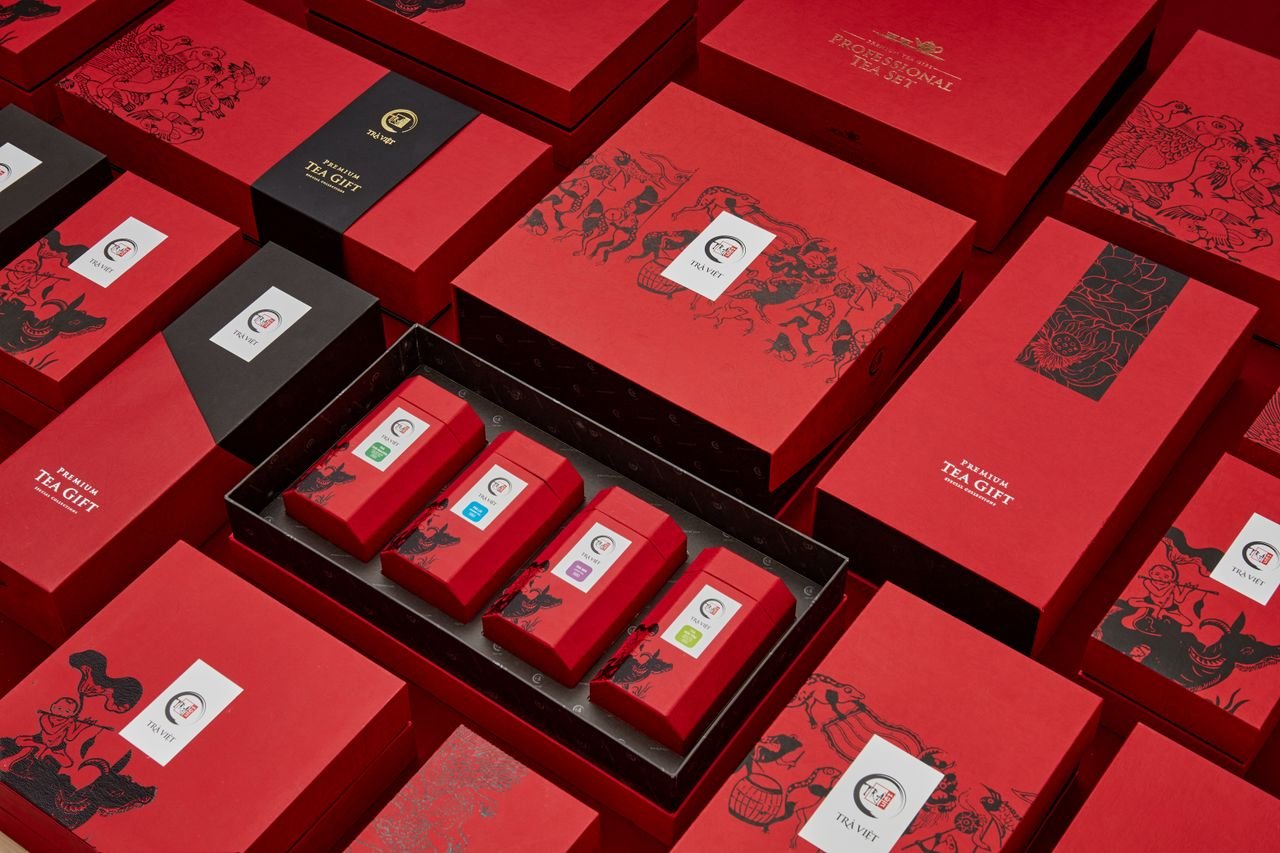
- Packaging design conventions (materials, structures, opening experiences)
- Retail and physical environment design (signage, fixture systems, way-finding)
- Product UI patterns (how the brand shows up inside the product or app)
- Customer service tone guidelines
- Sound identity (audio logo, notification sounds, music style, for brands with audio presence)
- Unboxing experience design
Why most boutique engagements skip it
It requires cross-disciplinary thinking, a brand identity team working alongside industrial designers, UX designers, sound designers, and the customer service team. Premium identity engagements include experiential identity; mid-market engagements often don’t.
Why it’s commercially decisive for D2C and consumer brands
For brands selling physical products, experiential identity is more important than visual identity. The unboxing moment, the in-store moment, the product-use moment. These all sit inside experiential identity. A premium visual identity wrapped around a cheap-feeling product experience produces cognitive dissonance that destroys brand trust.
Component 5. Brand Architecture
What is brand identity at the architectural level? It’s the system that determines how a parent brand and its portfolio of products or services relate to each other visually and verbally.
Brand architecture is the system that defines how the parent brand relates to its sub-brands, product names, and any acquired brands.
The four primary architectural models
Branded house. All sub-brands carry the parent name. Apple is the textbook example. MacBook, iPhone, iPad, Apple Watch. Google works similarly with Google Pixel, Google Drive, Google Cloud.
House of brands. Parent owns multiple unrelated brand names. Procter & Gamble owns Tide, Pampers, Pantene, Gillette. Unilever owns Dove, Axe, Ben & Jerry’s. Sub-brands carry their own equity independently.
Endorsed brands. Sub-brands have their own names but are visibly endorsed by the parent. Marriott uses this. Courtyard by Marriott, Residence Inn by Marriott, The Ritz-Carlton (an exception that runs as a near-standalone within the portfolio).
Hybrid. Combinations of the above. Google operates as a branded house under the Alphabet parent, which itself uses a house-of-brands model for entities like Calico and Verily.
Why brand architecture matters early
Architecture decisions made at founding are difficult and expensive to change later. A startup that names its first product the same as the company forecloses architectural options that may become valuable as the product line expands. Get this wrong, and you may face a rebrand or restructure within 24 months.
Component 6. Guidelines and Governance
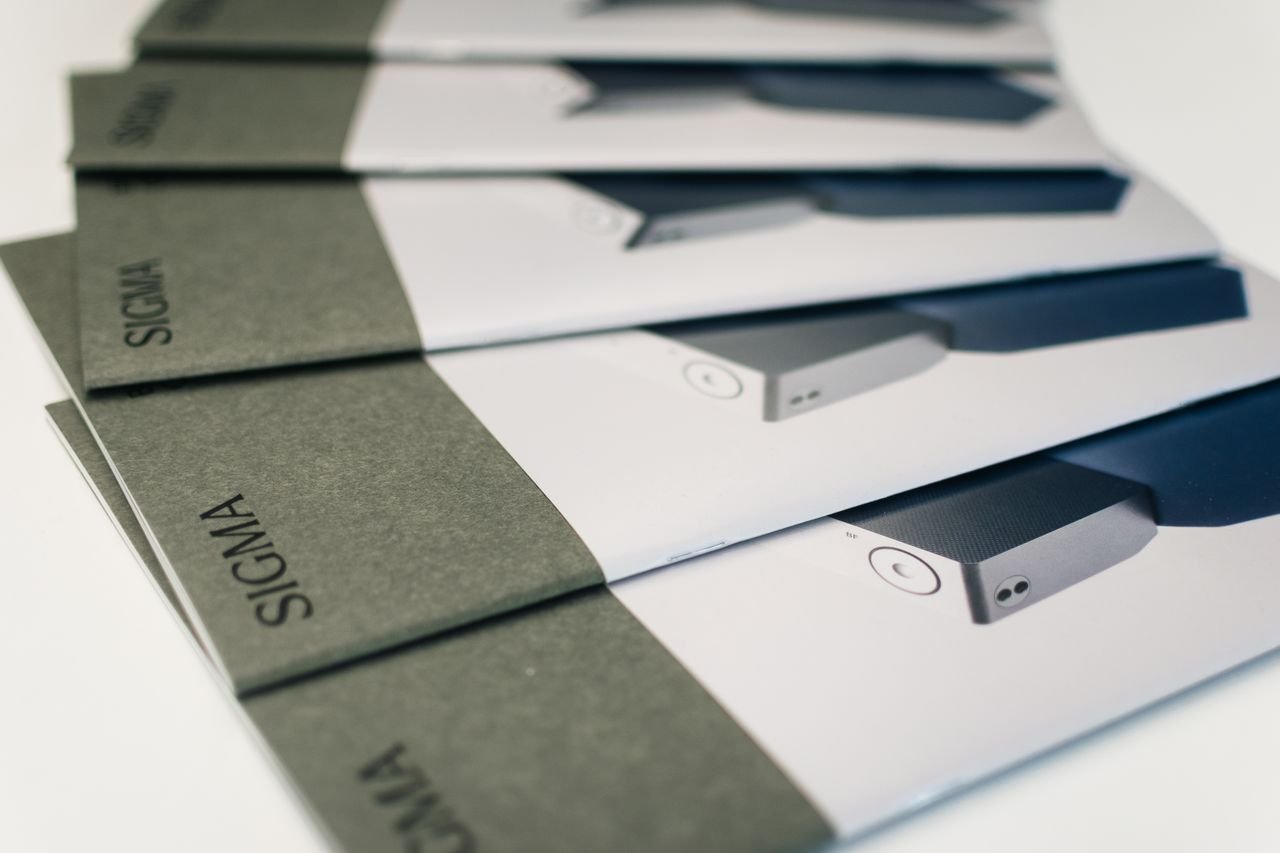
Guidelines are the documentation that institutionalises all five preceding components. Governance is the process that maintains the guidelines over time.
A complete brand guidelines document runs 60–150 pages
It includes:
– All visual identity specifications with examples and counter-examples
– All verbal identity rules with sample copy
– Motion specifications with reference files or links
– Application examples across primary touchpoints (web, packaging, social, signage, presentations, email, advertising)
– File specifications and download links
– Decision rules for edge cases not explicitly covered
– The brand architecture model and rules for naming new sub-brands or products
Why guidelines without governance fail
The most common pattern in failed brand systems: a beautifully produced guidelines document is delivered, internal teams ignore it for 18 months, and the brand drifts back to inconsistency. Governance, a designated brand owner, regular brand audits, an approval workflow for new brand applications, is what keeps the system alive.
Both the AIGA and the Design Management Institute document brand governance as the single most reliable predictor of long-term identity system performance, more than initial design quality alone.
Governance roles in a healthy system
- A designated brand owner (often a marketing leader or founder for early-stage brands)
- A quarterly audit process to identify drift
- An approval workflow for new brand applications (new packaging, new campaign creative, new product launches)
- A feedback loop from team members who find gaps in the guidelines back to the document maintainer
How the Six Components Work as a System
Returning to what is brand identity at the system level: the six components are not independent. They reinforce each other. A change in one cascades through the others.
A change in brand architecture (adding a new sub-brand) requires updates to verbal identity (the sub-brand’s name), visual identity (how the sub-brand relates visually to the parent), motion identity (how the sub-brand appears in animations), experiential identity (how the sub-brand shows up at touchpoints), and guidelines (the documentation expanding to cover the new entity).
A change in verbal identity (a new tagline) requires updates to visual identity (where the tagline appears in lockups), motion identity (how the tagline animates), and experiential identity (where the tagline shows up across touchpoints).
The system metaphor is the right one. A house has a foundation, walls, roof, plumbing, electrical, and finish materials. Each component is separate, but they’re all part of one structure. Removing any one significantly reduces what the house can do. Brand identity works the same way.
What Brand Identity Is Not
Several common misconceptions clarify the boundaries of brand identity:
It’s not a logo. A logo is one component within visual identity, which is itself one of six components. Calling a logo a “brand identity” is like calling a doorknob a “house.”
It’s not a one-time deliverable. Brand identity systems require maintenance, governance, and occasional refinement. Identity engagements deliver the initial system; the internal team or agency partner maintains it.
It’s not aesthetic preference. Brand identity choices are strategic decisions backed by positioning, audience analysis, and competitive context. “I like this color” is not a brand identity criterion. “This color signals premium positioning to our audience and differentiates from our three direct competitors” is.
It’s not the same as branding. Branding is the broader strategic work of defining what a brand stands for. Brand identity is the execution layer that makes the branding strategy visible and recognisable. Our cluster post on Brand Identity Agency vs Branding Agency covers this distinction in depth.
Frequently Asked Questions
What is brand identity in simple terms?
Brand identity is the complete system of visual, verbal, and experiential elements that makes a company recognisable. It includes the logo system, color palette, typography, brand voice, motion design, experiential touchpoints like packaging, and the brand architecture that defines how all sub-brands relate to the parent. A brand identity is not a single asset. It’s a system with six load-bearing components.
What are the 6 components of brand identity?
The six components of a complete brand identity system are: (1) Verbal identity. Name, tagline, voice, messaging hierarchy. (2) Visual identity. Logo system, colors, typography, imagery, layout. (3) Motion identity. How brand elements animate. (4) Experiential identity. Packaging, product UI, retail, service. (5) Brand architecture. Relationships between parent and sub-brands. (6) Guidelines and governance. Documentation and maintenance processes.
What’s the difference between brand identity and a logo?
A logo is a single visual mark that identifies a brand. Brand identity is the complete system of which the logo is one component within the visual identity sub-system. Brand identity also includes verbal identity, motion identity, experiential identity, brand architecture, and guidelines, none of which a logo by itself provides.
Is brand identity the same as branding?
No. Branding is the strategic work of defining what a brand stands for, positioning, audience, archetype, narrative. Brand identity is the execution work that makes the branding strategy visible and recognisable. Branding precedes brand identity in the design sequence: strategy first, then identity.
What’s the minimum brand identity for an early-stage startup?
At minimum: a logo system (primary, icon, monogram), a basic color system (primary, accent, neutral palettes), typography hierarchy (display, headline, body), a brand voice direction (a few paragraphs documenting how the brand sounds), and a one-page guidelines document. This is enough to launch consistently. Add motion identity, experiential identity, brand architecture, and full guidelines when you have revenue, multiple touchpoints, or product line expansion plans.
How long does it take to build a brand identity?
A complete brand identity system takes 9–14 weeks at most boutique agencies. Compressed engagements (6–10 weeks) deliver core components but may skip motion identity, experiential identity, or brand architecture work. Comprehensive engagements (12–24 weeks) include all six components with extensive applications and multi-market localisation.
What does brand identity cost?
Brand identity costs depend on tier and scope. Foundational work (visual identity only) ranges from ₹24,000 to ₹2,00,000 ($299–$2,500). Mid-market work (visual + partial verbal + guidelines) ranges ₹2,00,000–₹15,00,000 ($2,500–$18,000). Premium work covering all six components ranges ₹15,00,000–₹50,00,000 ($18,000–$60,000).
Can I build brand identity with AI tools?
AI tools can produce visual assets that resemble brand identity work, logos, color palettes, typography selections, but cannot perform the strategic work that makes identity defensible. Positioning, audience analysis, competitive differentiation, architecture decisions, and system coherence remain human disciplines. AI tools work best as supplements within a professional process, not substitutes for it.
What is brand identity, then, in 2026 practice? It’s the strategic infrastructure that determines whether a company compounds recognition or constantly reintroduces itself, and it’s built from these six components working in concert.
Related Resources
- Pillar page: Brand Identity Design: The Complete System Guide for Founders
- Agency hiring: Brand Identity Design Agency: How to Evaluate One
- Comparison: Brand Identity Agency vs Branding Agency
- Cross-pillar: Brand Naming: The Complete Guide for Founders
- Service page: Identity Makers Brand Identity Design Services →